
I. Introduction: Metaphysics in Life—Superstition or Compassion?
In daily life, we often see behaviors referred to as “metaphysics,” which embody people’s blessings and expectations, and also serve as a substitute for anxiety and tension: Childcare scenario: When a child cries at night, elders might write, “Heavenly Emperor, Earthly Emperor, my family has a night-crying child; passersby, please recite this once, and he’ll sleep soundly until dawn,” and post it outdoors, hoping the child will sleep peacefully.
Academic scenario: Outside the college entrance examination hall, parents wear cheongsams (symbolizing “a successful start”) and hold sunflowers (symbolizing “achieving top honors”), using ritual to encourage their children.
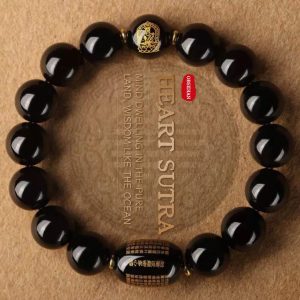
Home scenario: Displaying sculptures of “everything goes smoothly,” “a garden full of lychees,” and “a house full of gold and jade,” or wearing pendants, displaying Taishan stones, bronze gourds, and bat pictures on specific days, for good luck and to ward off evil.
Conceptual inheritance: Elders often say, “First is fate, second is luck, third is feng shui, fourth is accumulating good deeds, fifth is studying, sixth is name, seventh is appearance, eighth is respecting gods, ninth is associating with noble people, and tenth is health preservation,” but they struggle to explain the scientific principles, hence the emergence of… The saying goes, “The end of science is metaphysics.”
To understand this “metaphysics,” we might first clarify the concepts and then dissect the scientific logic behind them.
II. Definition and Common Branches of Metaphysics
“Metaphysics” is not a single concept, but rather refers broadly to phenomena, doctrines, and behaviors that are difficult to explain directly using traditional scientific methods, encompassing fields such as fortune telling, feng shui, physiognomy, and divination. The following are its core branches and hidden scientific principles:
2.1 Astrology: Trend Deduction Based on Observation and Statistics
The ancients constructed a symbolic deduction system based on Yin-Yang and Five Elements theory, astronomy, and calendar systems. The core is to identify “high-probability phenomena” through long-term observation of “repeated events” and predict their recurrence under specific conditions.
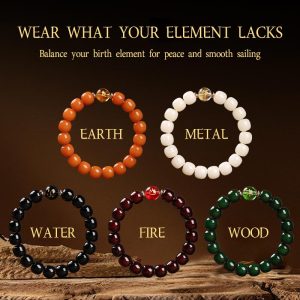
Core Methods: Eight Characters Astrology (using the Heavenly Stems and Earthly Branches of the birth year, month, day, and hour to predict destiny), Zi Wei Dou Shu (connecting human affairs with the positions and movement of stars);

Scientific Perspective:
① Time-Environment Correlation: Different birth times correspond to different climates and seasons. For example, spring, with its growth and pleasant climate, may make some people more mild-mannered (but this needs to be combined with variables such as family, education, and era);
② Star-Affected Agriculture: The positions of stars in Zi Wei Dou Shu actually predict seasonal changes, affecting agricultural production. The ancients extended this to “personal fortune,” essentially a simple understanding of the “connection between natural laws and human activities”;
③ Auspicious Date Selection by the Almanac: Originating from astronomy, calendar systems, and agricultural customs, it was a practical tool for planning farming and daily rituals, not… “Mysterious prophecy”.
2.2 Feng Shui: The “Harmony Code” of Environment and Mind-Body Balance
The ancients believed that “the environment’s energy field and layout influence fortune and health.” From a scientific perspective, this is actually a comprehensive consideration of “energy fields, architecture, environmental psychology, and ecology”:
Core Logic:
Statements such as “gathering and retaining energy,” “ample sunlight,” and “a small house with many people brings abundant energy” are essentially pursuits of “living comfort.”

Scientific Explanation:
① Energy Field = Energy Field: In Feng Shui, “energy field” can be understood as an electromagnetic field or airflow field. A reasonable layout can avoid drafts and improve ventilation.
② Layout = Psychology and Health: An empty, large house can easily make people “suspicious” (psychological level), while insufficient sunlight can easily breed bacteria (health level).
③ Negative Energy = Environmental Hazards: So-called “negative energy” may refer to actual hazards such as electromagnetic radiation, chemical pollution (e.g., downwind of factory chimneys, downstream of chemical plants), noise, and light pollution.
④ Cultural Compatibility: Western-style open kitchens are not suitable for Chinese cooking (oil fume issues), which is a “Feng Shui” issue. A simple judgment based on “the degree of compatibility between lifestyle habits and environment.”
2.3 Physiognomy: The Psychological and Physiological Connection of “Appearance Reflects the Heart”
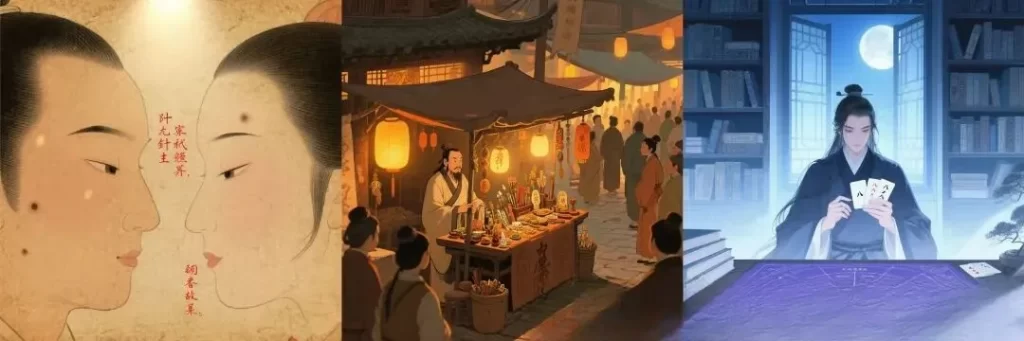
The ancients inferred personality and destiny by observing facial features and body language. The scientific basis for this lies in the connection between “physiological characteristics → psychological state → behavioral patterns”:
Core Observations:
Facial expressions (lively/dull), body posture (tense/relaxed), facial features (moles, scars);
Scientific Explanation:
① Expression and Personality: Those with lively eyes and rich expressions are often cheerful, while those with serious expressions and dull eyes are often introverted. This is a direct manifestation of “external emotional expression”;
② Body Language and Psychology: When tense, the body is stiff and the eyes wander; when relaxed, the posture is natural. This is “physiological feedback of psychological state”;
③ The Essence of “Appearance Reflects the Heart”: Good people appear younger because a positive mindset (free from depression and anxiety) is beneficial to physical and mental health (social psychology’s “interpersonal attraction theory”); evil people are prone to “bad consequences” because negative emotions affect health and damage interpersonal relationships. The essence is “an objective connection between behavior and consequences,” rather than the mysterious force of “cause and effect.”
2.4 Divination: Randomness, Psychological Suggestion, and Survivorship Bias
Folk divination (Plum Blossom Divination, Four Pillars of Destiny, Qimen Dunjia, etc.) and Western divination (Astrology, Tarot) appear mysterious, but are actually closely related to probability, psychological suggestion, and cognitive bias:
Core Characteristics:
Results are random (e.g., drawing lots, divination by tossing). Merchants often exploit people’s anxiety and fear of uncertainty to satisfy psychological needs (e.g., coffee divination, tea dreg divination, pendulum divination, etc.);

Scientific Explanation:
① Randomness = Probability Law: Whether the divination result matches reality is essentially a probabilistic event;
② The Power of Psychological Suggestion: Those who divinate for “career success” may work harder and ultimately succeed, a result of “self-suggestion guiding behavior”;
③ Survivorship Bias: People overemphasize cases of “accurate divination” (survivors) and ignore the majority of cases of “inaccurate divination” (silent evidence), leading to the mistaken belief that “mysticism is effective.”
III. The Core Scientific Logic Behind Metaphysics: Five Positive Influence Mechanisms
What appears to be “mysterious” metaphysics essentially brings about positive change through “psychological guidance and behavioral adjustment.” From the perspectives of psychology, sociology, and environmental science, this can be summarized into five mechanisms:
3.1 Mechanism One: Self-Affirmation – Attracting Positive Energy
By reminding oneself to maintain a positive mindset through “tokens and rituals,” one indirectly influences behavior:
Examples: Wearing crystals or Pixiu pendants, displaying lucky cat figurines; taking deep breaths and silently reciting “good luck” in the morning; referring to the almanac to choose “suitable times” for decision-making—the essence is “using ritual to strengthen self-confidence”;
Example: Staying away from “depressing places” and “people with incompatible magnetic fields” is “actively avoiding negative environments and reducing psychological drain.”

3.2 Mechanism Two: Enhancing Image and Interpersonal Relationships – Strengthening Confidence
By “tidying up the environment and improving relationships,” we can improve physical and mental comfort and strengthen our social advantages:
Example: Maintaining physical cleanliness and tidying up the home “enhances psychological order through a sense of environmental order”;
Example: “Harmony in the family brings prosperity” and “Walking with like-minded people” “strengthen psychological support and gather positive energy through good interpersonal relationships”;
Example: Getting close to nature (hugging a large tree, watching the sunrise) “utilizes the healing power of the natural environment to relieve stress and improve mindset.”

3.3 Mechanism Three: Adjusting Mood and Doing Good Deeds – Reducing Anxiety and Accumulating Positive Feedback
Negative emotions and psychological security are alleviated through “small rituals and good deeds”:
Example: Slamming the table when saying something wrong, or turning over in bed during a nightmare, are examples of “using simple rituals to relieve anxiety and gain psychological comfort”;
Example: “Things are accomplished in secrecy, and ruined by leaks,” and “Do no evil, do all good,” are examples of “reducing mistakes through behavioral constraints and gaining social recognition and enhancing psychological value through good deeds”;
Example: Respecting the idea that “fortune and misfortune are intertwined” and facing life’s ups and downs with equanimity is an example of “using simple philosophy to alleviate the fear of uncertainty.”
3.4 Mechanism Four: Psychological Suggestion and Self-Reward – Overcoming Negative Emotions
Eliminating negative thoughts and reinforcing positive feedback through “positive language and self-motivation”:
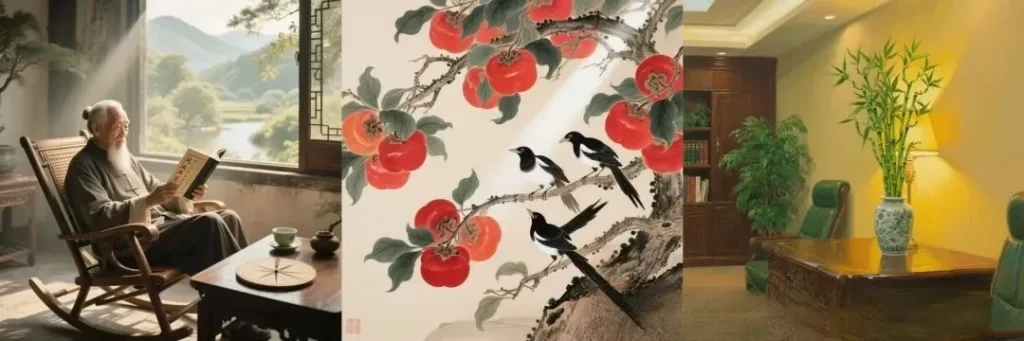
Example: Placing a smiling family photo in your wallet (creating a sense of closeness and connection); growing favorite plants at home (improving mood through visual pleasure);
Example: Avoiding saying “I’m unlucky” or “I have no money,” and frequently saying “I’m healthy” and “I’m happy” – this is “using positive language to avoid self-denial and reinforce the positive effect of self-fulfilling prophecy”;
Example: Rewarding yourself for progress and relaxing through reading/music – this is “using self-reward to consolidate positive behavior and relieve stress.”

3.5 Mechanism Five: Choosing a Comfortable Environment – Staying Away from Negative Energy and Safeguarding Physical and Mental Well-being
Reduce health and psychological risks through “avoiding unfavorable environments and using ritualistic protection”:
Examples: Knocking on the door before checking into a hotel, not pointing slippers towards the bed, and not placing mirrors opposite the bed are ways to “reduce the anxiety of the unknown environment and avoid being startled in the middle of the night through ritual”;
Examples: Not sticking chopsticks upright while eating or stepping on manhole covers are ways to “avoid potential risks through taboos (such as discomfort caused by sticking chopsticks upright, or potential safety hazards from stepping on manhole covers)”;
Examples: Not keeping thorny/poisonous plants is a way to “avoid risks from both health (preventing punctures and poisoning) and psychological (avoiding visual discomfort) perspectives.”

IV. A Rational View of Metaphysics: The Wisdom of Balancing Science and Spirituality in Life
Metaphysics is not “superstition” but rather the crystallization of ancient wisdom in “coping with uncertainty and seeking psychological support”—it cannot directly change the outcome, but it can stimulate inner motivation through “psychological comfort and behavioral guidance,” allowing people to remain positive in difficult times.
By understanding the scientific principles behind metaphysics, we discover that the essence of the Heavenly Stems and Earthly Branches, the Four Symbols and Eight Trigrams, and Feng Shui is “human beings’ simple understanding of nature, themselves, and interpersonal relationships.” The wisdom of living lies in harmoniously coexisting scientific rationality with “metaphysical rituals,” maintaining reverence for life, accumulating positive energy through good deeds, and possessing both rational wisdom and spiritual warmth.