I. The Cross-Cultural Heritage of Koi in Feng Shui
Koi fish have long been revered as auspicious symbols across civilizations, with roots in ancient Chinese tradition expanding globally via centuries of cultural exchange. Originally raised in temple and shrine ponds to embody prosperity and harmony, they’ve evolved into a universal feng shui icon—admired in Japanese gardens, Western wellness spaces, and Southeast Asian homes alike. Known as “living gems” or “swimming art,” their feng shui significance transcends aesthetics, rooted in the timeless principle: water anchors positive energy (Qi), while “auspicious creatures” regulate its flow.
II. Core Feng Shui Elements: Water, Energy, and Koi Qualities
Feng shui’s core tenet—”retain wind, gather Qi, and honor water”—holds true across cultural interpretations. Qi (the life force circulating through spaces) disperses easily in wind but stabilizes near water, and koi amplify this effect:
- Their graceful, curved movements counteract “sharp energy” (Sha Qi)—a concept mirrored in Western geomancy’s focus on fluid space;
- Their longevity (averaging 70 years, with records exceeding 200) symbolizes enduring prosperity;
- Traits like resilience (swimming upstream, echoing “overcoming obstacles”) and intelligence (recognizing caregivers) align with universal aspirations, uniting Eastern feng shui and Western eco-spirituality.
III. Global Feng Shui Symbolism of Koi Carp
Different koi varieties carry culturally resonant feng shui attributes, adapted across regions:
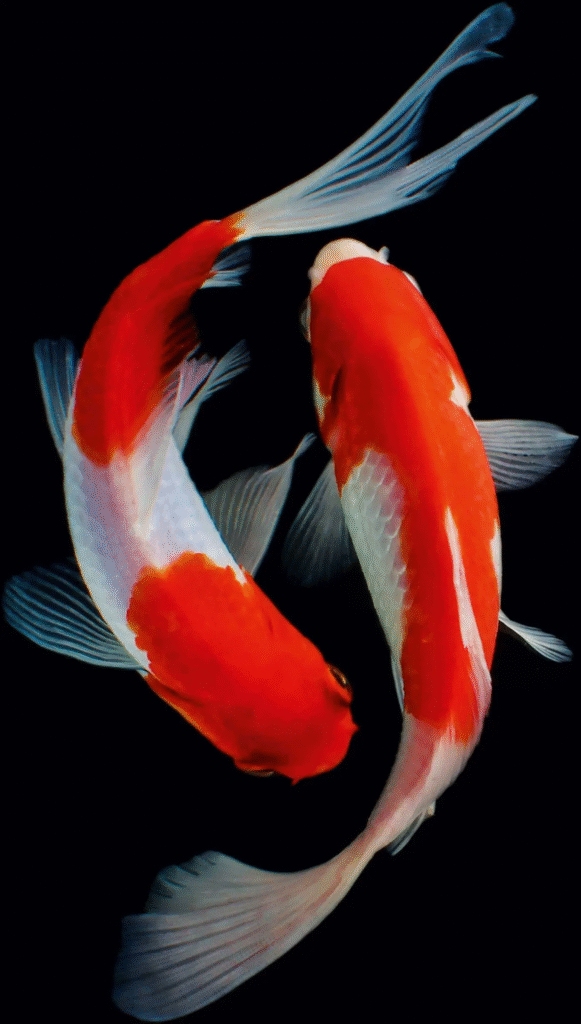
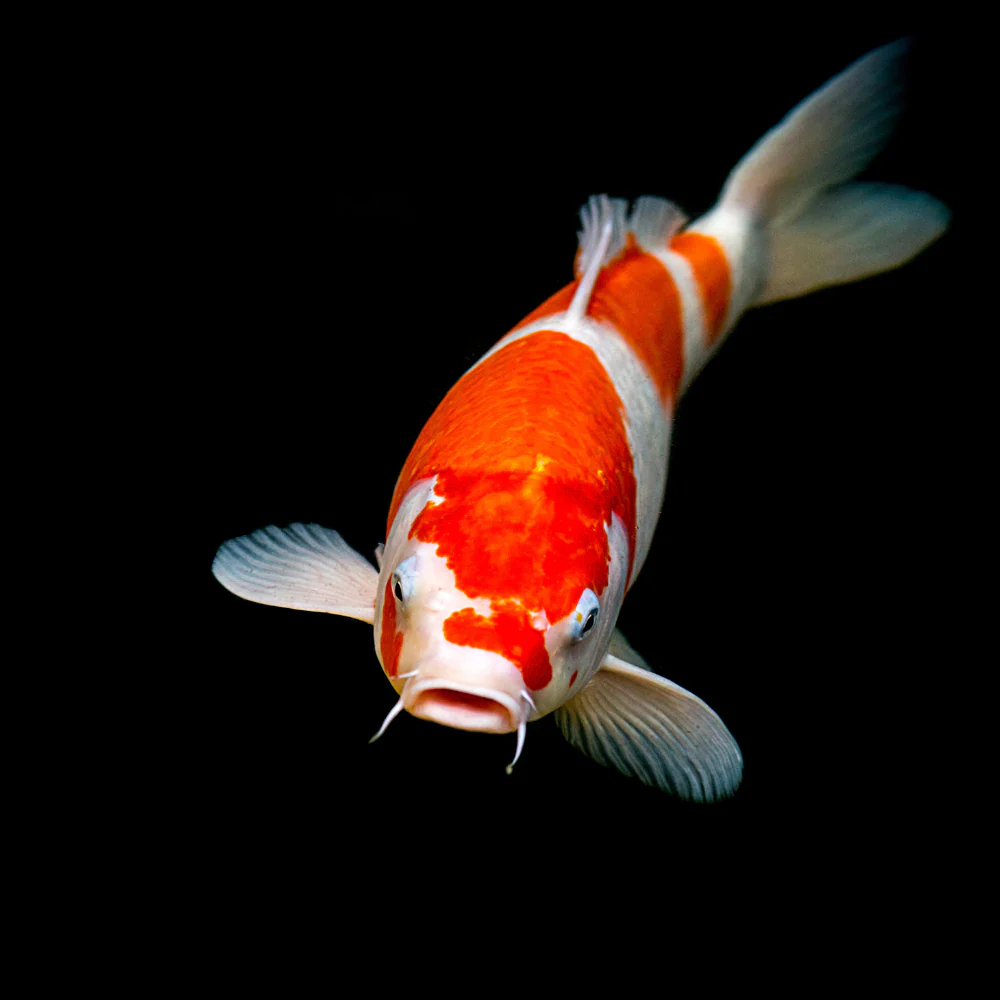
1. Kohaku (红白锦鲤)
- Features: White bodies with crimson patterns;
- Global Meaning: Symbolizes “fortune and longevity” (Chinese “福寿鱼”); in Japan, represents purity/educational success; Western practitioners value its soft contrast for balancing harsh light in south-facing spaces.
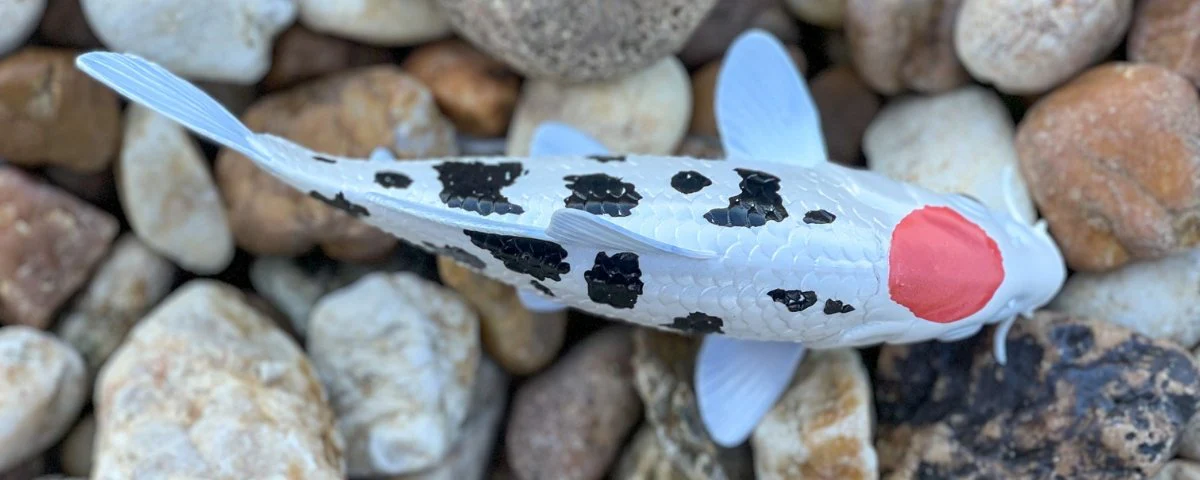
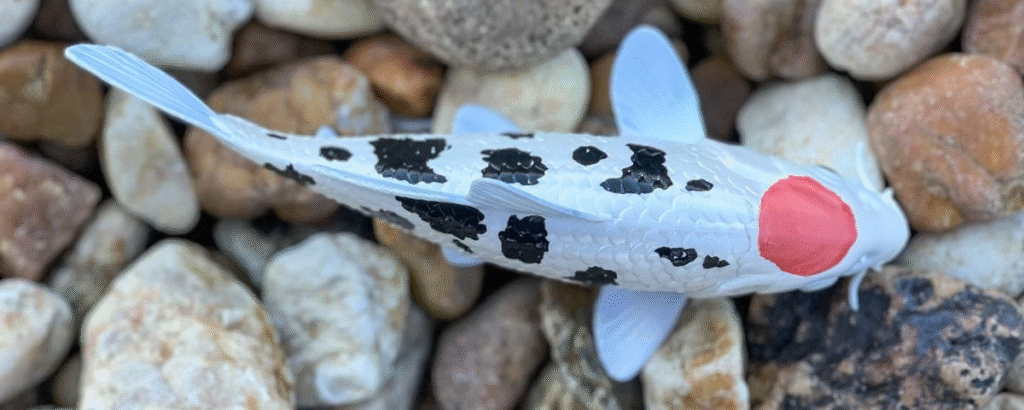
2. Tancho (丹顶锦鲤)
- Features: Snow-white body with a single red patch on the head;
- Global Meaning: Embodies “focused prosperity”; historically favored by Chinese officials (“官鲤”) and Japanese executives; artists worldwide use it to symbolize “manifesting goals.”
3. Yamabuki (黄金锦鲤)
- Features: Solid gold scales;
- Global Meaning: Universal wealth symbol; placed in Chinese storefronts as a “living talisman,” Western west-facing rooms (to compensate for “deficient metal energy”), and gifted to Southeast Asian entrepreneurs.
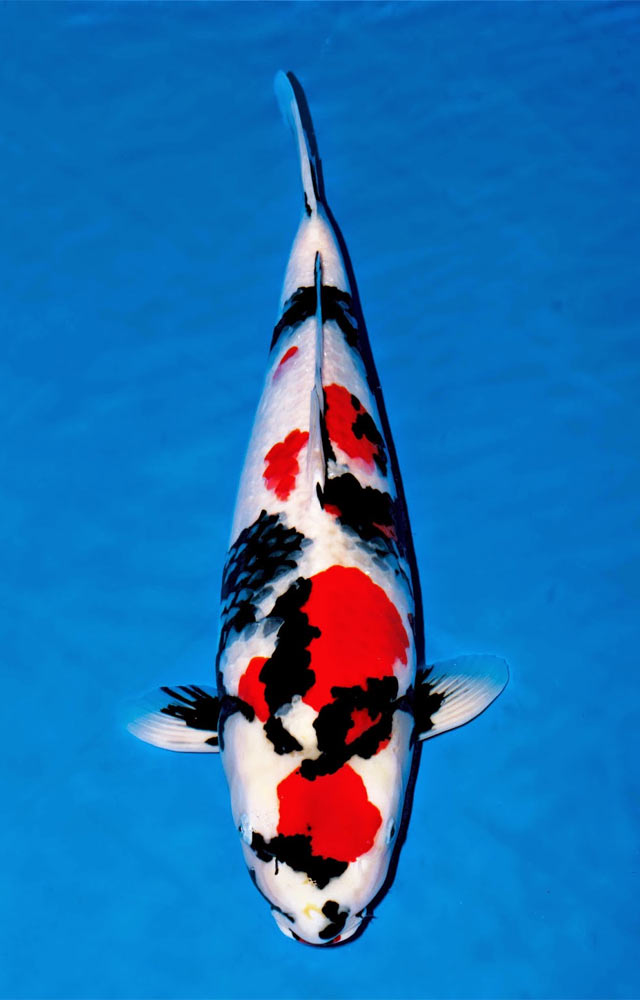
4. Showa Sanshoku (三色锦鲤)
- Features: White, red, and black markings;
- Global Meaning: Represents marital harmony (Chinese wedding tradition), family unity (Western spaces), and intergenerational peace (Japanese homes).
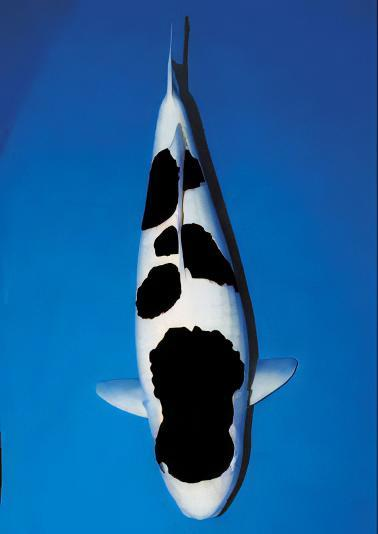
5. Utsurimono (乌鲤)
- Features: Deep black scales;
- Global Meaning: Protective symbol; absorbs negative energy in Chinese north-facing areas (low light, heavy Yin) and European entryways (warding off stagnant energy).
IV. Global Koi Feng Shui Practices: Quantity, Placement, and Maintenance
Koi’s feng shui power depends on intentional care, with guidelines adapted globally:
1.Cross-cultural consensus on auspicious numbers
- 9: “Ultimate yang number” (Chinese eternity, Japanese imperial gardens, Western luxury resorts);
- 6: Linked to “endless abundance” (Chinese “六六无穷,” Singaporean businesses, Italian villas);
- 3: Symbolizes “balance” (Chinese “三羊开泰,” Thai homes, American wellness centers);
- Universal Rule: Koi numbers “increase, not decrease”—replace a deceased fish promptly (observed from Beijing to Beverly Hills to maintain unbroken Qi).
2.Globally adaptable placement
Aligned with shared cultural associations of directions:
- East (growth/success): Place Tancho koi (boosts career/education—Tokyo offices, London studies);
- West (wealth/status): Place Yamabuki koi (enhances finances—New York penthouses, Dubai cafes);
- South (reputation): Place Kohaku or Showa Sanshoku (warm hues complement light—Sydney homes, Rio patios);
- North (protection): Place Utsurimono (counteracts Yin energy—Moscow apartments, Toronto basements).
V. Core Essence: A Symbol of Harmony Transcending Culture
From ancient Chinese imperial ponds to contemporary Arizona art studios, koi’s feng shui power lies in embodying shared human desires: prosperity, resilience, and harmony. Across cultures, they remind us feng shui’s core is cultivating spaces that nurture positive energy—regardless of tradition. As global feng shui master Lillian Too notes: “Koi do not speak one language, but they universalize the language of hope.”