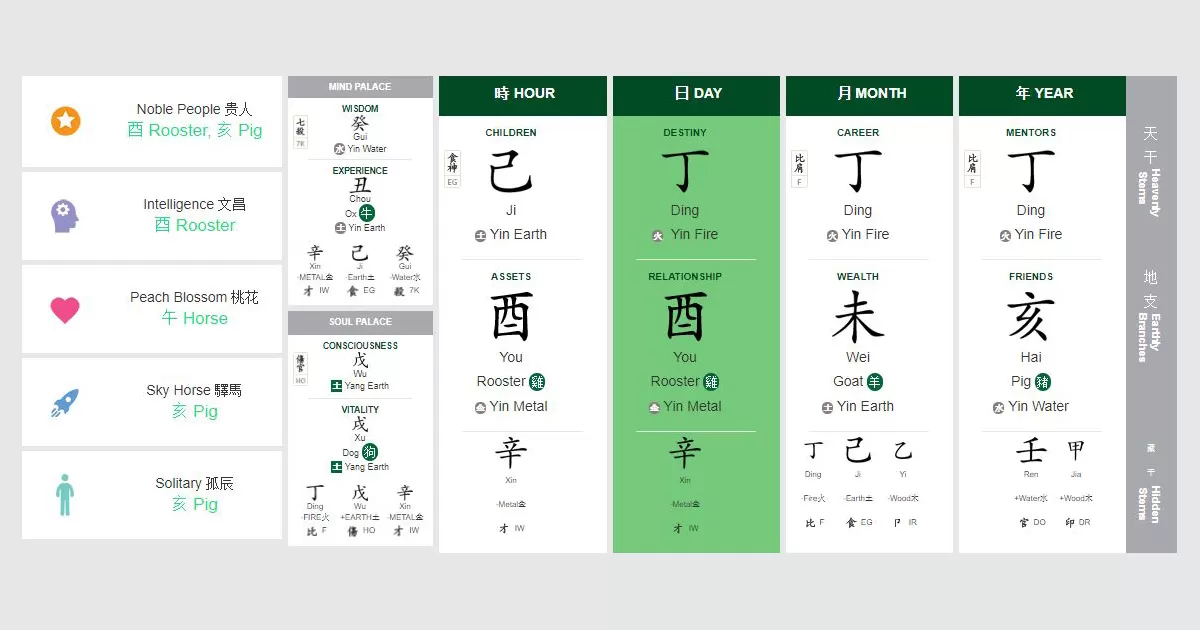
In traditional Chinese culture, Bazi numerology holds quite a significant position. However, we can’t paint its accuracy with a broad brush—sometimes it’s spot-on, and other times it misses the mark. Let’s break it down from a few angles.
The Accurate Sides of Bazi Numerology
First, it has a specific scope of prediction. It can forecast a person’s luck in areas like career, financial fortune, relationships, and health—and sometimes it’s surprisingly accurate. For example, some skilled numerologists can figure out the general stages and direction of a person’s career development from their Bazi, as if they have opened the heavenly eye.
Second, it emphasizes personalized analysis. It provides targeted interpretations and suggestions based on each person’s unique Bazi chart. Different Bazi combinations lead to different analysis results, which really takes into account individual differences.
The Limitations of Bazi Numerology
First, predictions aren’t absolute. It can only indicate a general trend, not determine a person’s fate. Personal effort, choices, and living environment all have a huge impact on one’s life. For instance, if a Bazi chart shows good financial luck, but the person lies around all day and spends money recklessly, they’ll never get rich.
Second, it depends on the numerologist’s skill level. Numerologists vary greatly in expertise, so their analyses of the same Bazi chart can be worlds apart. Many street fortune-tellers only know simple calculations and basic face reading or palm reading—its no wonder their predictions aren’t accurate. Truly masterful numerologists are few and far between, and even they can’t guarantee 100% accuracy every time.
Third, it’s constrained by the times. Bazi numerology formed and developed under specific historical, cultural, and social backgrounds. In modern society, some traditional concepts and prediction methods are no longer applicable. For example, in ancient times, a “good luck with children” in Bazi might mean having many filial children, but now with the family planning policy limiting the number of children, traditional predictions don’t match reality.
Finally, it can’t account for all influencing factors. A person’s fate is shaped by numerous complex elements, and a Bazi chart can’t include things like parental genetics—which have a significant impact on one’s life. Moreover, different family, social, and natural environments can all change a person’s inherent fate.
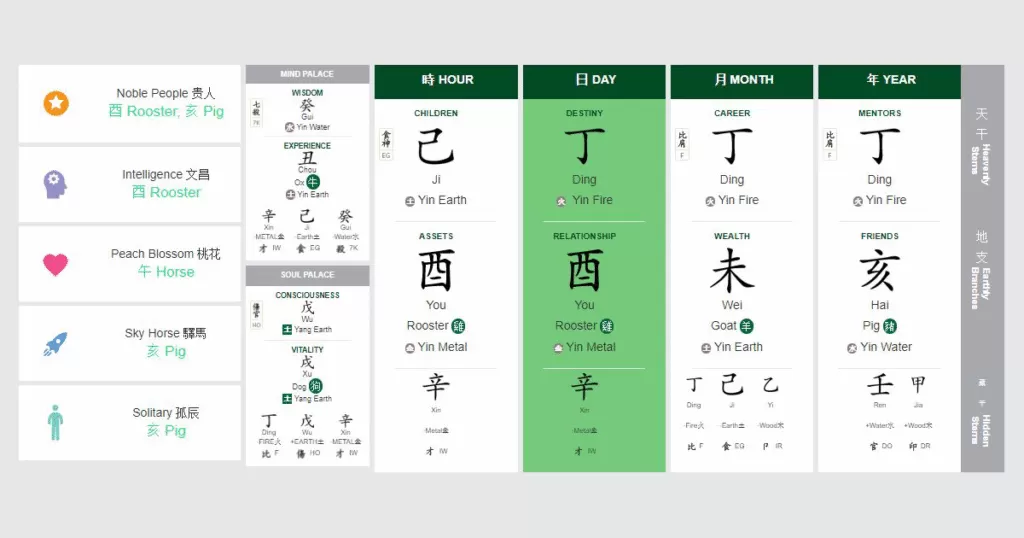
How to Improve the Accuracy of Bazi Predictions
First, choose an experienced fortune-telling app or a professional, well-reputed numerologist. This way, the results will be more reliable.
Second, when analyzing a Bazi chart, combine it with the person’s actual situation—such as their growth environment, educational background, and personality traits. This makes the analysis more in line with reality.
Third, maintain a rational attitude. Acknowledge its certain predictive value, but don’t rely on it too much or be superstitious. It’s just a reference, not something that can completely dictate our life decisions.
In short, using Bazi to read others’ fortunes has some reference value, but it shouldn’t be regarded as an absolutely accurate basis. When we use Bazi numerology, we should view it rationally, combine it with our own actual circumstances, and treat it as a little helper to understand ourselves and plan our lives. So, what do you think—can we still trust Bazi numerology?